The Lambert Spell Book: Unveiling a Local Historical Treasure
February 2, 2026A fascinating glimpse into 18th-century life and beliefs
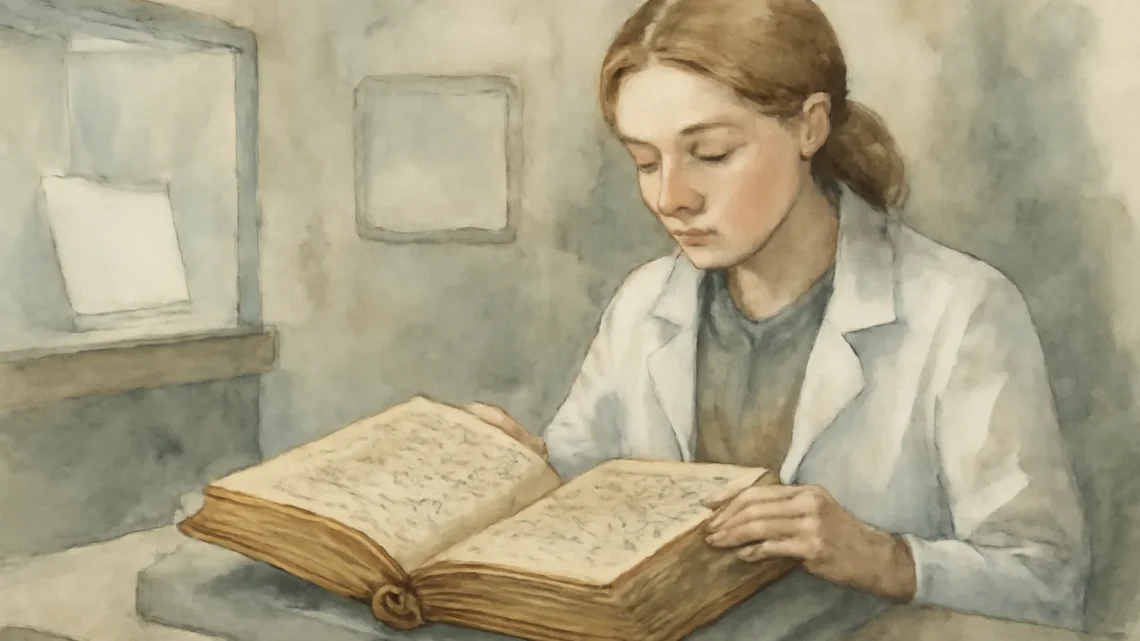
Bradford Museums have recently shed light on one of their most intriguing and mysterious artefacts, the so-called “Lambert spell book”. This object, long rumoured to be cursed and containing spells against witchcraft, has now been examined in detail by Dr Lauren Padgett, Assistant Curator of Collections. Her research reveals that the book is much more than a simple spell book; it is a rich commonplace book offering insights into the life, beliefs, and practices of George Lambert, a local man from the early 1700s.
Discovery and background
The Lambert spell book (accession number H.2017.147.1) was found hidden in a museum basement with no documentation about its origins. It contains a variety of handwritten texts, including prayers, recipes, financial accounts, poems, and astrological charts. A loose prayer (H.2017.147.2) inside the book seeks divine protection for George Lambert against evil spirits and witchcraft.
The book is dated 1707 and attributed to George Lambert, who was born in 1689 in the Craven District and lived as a husbandman and later a yeoman, indicating his status as a tenant farmer and landowner. Records confirm his marriage to Hannah Gawthorpe in 1714 and the births and deaths of their children, all documented within the book alongside natal charts and other personal details.
Contents of the book
- Recipes and remedies: The book includes animal husbandry cures, such as treatments for animals that cannot dung and remedies for brittle hooves, as well as human medicinal recipes for ailments like rheumatism.
- Prayers and charms: Several religious charms offer protection against toothache, mad dogs, witchcraft, and supernatural entities including elves and fairies, reflecting the beliefs of the Stuart period.
- Witchcraft protection: Lambert’s writings contain prayers and instructions for counter-magic, such as making effigies to compel confession from those believed to be witches, illustrating the blurred lines between magic and witchcraft at the time.
- Financial records: The book also serves as an account ledger, listing purchases and goods, providing a glimpse into Lambert’s economic activities.
- Astrological charts: Detailed natal charts show the positions of stars and planets at the time of birth for Lambert and his family, used historically to predict life events and health.
Historical and cultural significance
The Lambert spell book exemplifies a commonplace book, a personal organiser used from the 1600s to 1800s to compile diverse information. It reflects the complex interplay of folk beliefs, religion, and everyday life in early 18th-century England. The inclusion of charms against witches and supernatural beings highlights the period’s superstitions and fears, while the practical recipes and accounts reveal Lambert’s role as a local farmer and family man.
Despite its reputation, the book has never been publicly displayed by Bradford Museums due to the superstitions surrounding it, though it was loaned to the Ashmolean Museum in 2018 for an exhibition on magic and witchcraft. Dr Padgett’s research demystifies the book, encouraging a more nuanced understanding of its contents and historical context.
Learn more
For those interested in exploring the full story of the Lambert spell book, including detailed examples of its contents and historical background, the original blog by Bradford Museums provides an in-depth account.
Read the full article here: The Lambert Spell Book – Bradford Museums Blog