Bradford Technology Launches Plastic-Free Drink Tablets
February 16, 2026New innovation aims to reduce single-use plastic bottles worldwide
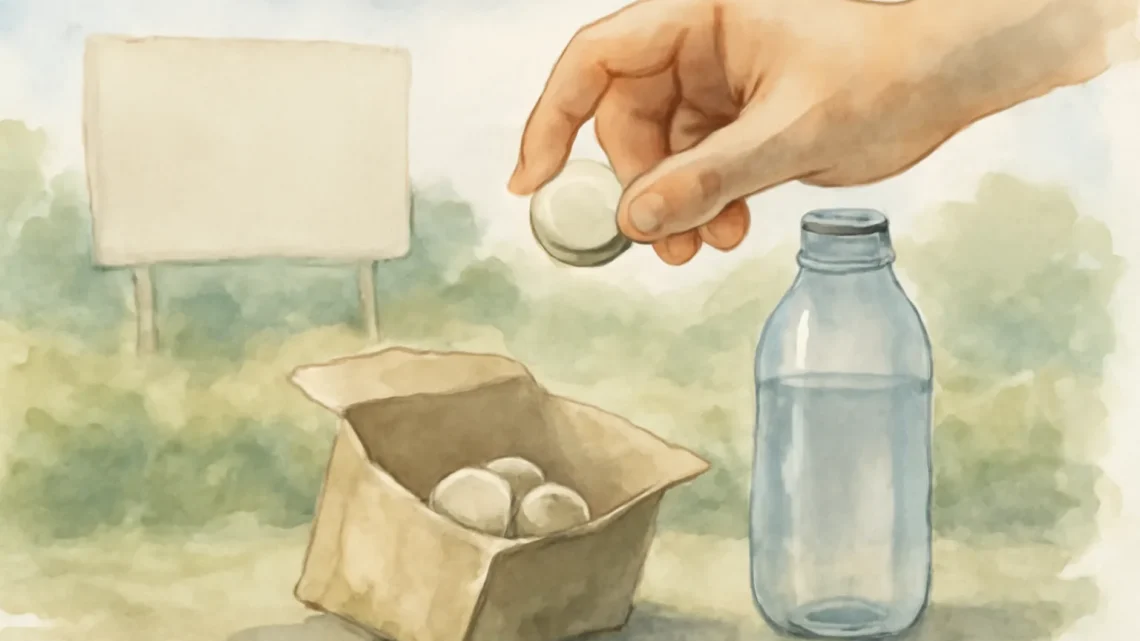
A new plastic-free drink technology developed by researchers at the University of Bradford has been launched internationally for the first time. The innovation, based on a patented co-crystal stabilisation method, enables effervescent drink tablets to be packaged without plastic, potentially reducing billions of single-use plastic bottles globally.
Details of the technology and launch
The technology was developed by Professor Anant Paradkar and his team at the University of Bradford. It allows effervescent products to be stored in 100% compostable packaging instead of traditional plastic or metal containers. This breakthrough addresses a long-standing challenge in stabilising effervescent tablets without sealed plastic packaging.
The first commercial product using this technology has been launched in New Zealand and Australia. It is described as the world’s first fully plastic-free drink tablet. The manufacturing and development are carried out under exclusive licence by two Yorkshire-based companies, Octopoda Innovations Ltd and Health Innovations (UK) Ltd.
Environmental and industry context
- The global soft drinks industry produces approximately 583 billion single-use plastic bottles annually, with less than 10% effectively recycled.
- Drinks containers make up about 45% of litter found on typical urban streets.
- Worldwide, companies have the capacity to produce around 20,000 PET bottles every second.
By enabling beverages to be transported and sold in solid tablet form, the technology could significantly reduce the need to ship liquids. This shift has the potential to lower carbon emissions, reduce material usage, and cut transportation costs across global supply chains.
Statements from University representatives
Professor Paradkar highlighted the significance of the technology, noting that it could remove billions of plastic bottles from supply chains and save manufacturers millions in costs. He also emphasised the importance of changing consumer habits to fully realise the benefits of the innovation.
Professor Sherrif El-Khamisy, Pro-Vice-Chancellor for Research and Innovation, commented on the impact of the research, stating it represents a step towards sustainable solutions with global reach.
Future prospects
The University of Bradford and its partners anticipate further commercial applications of the co-crystal platform in the coming months as interest grows. The technology’s ability to replace liquid products with tablet forms stored in biodegradable packaging may extend beyond drinks to other cleaning, health, and lifestyle products.