England Faces Growing Crisis in Children’s Physical Activity
May 7, 2026New report highlights inactivity among primary school children
England is experiencing a significant decline in physical activity levels among primary school children, with more than half not meeting recommended daily guidelines. Research led by the University of Bradford has contributed to a national report warning of the health and wellbeing implications of this trend.
Findings from the Centre for Social Justice report
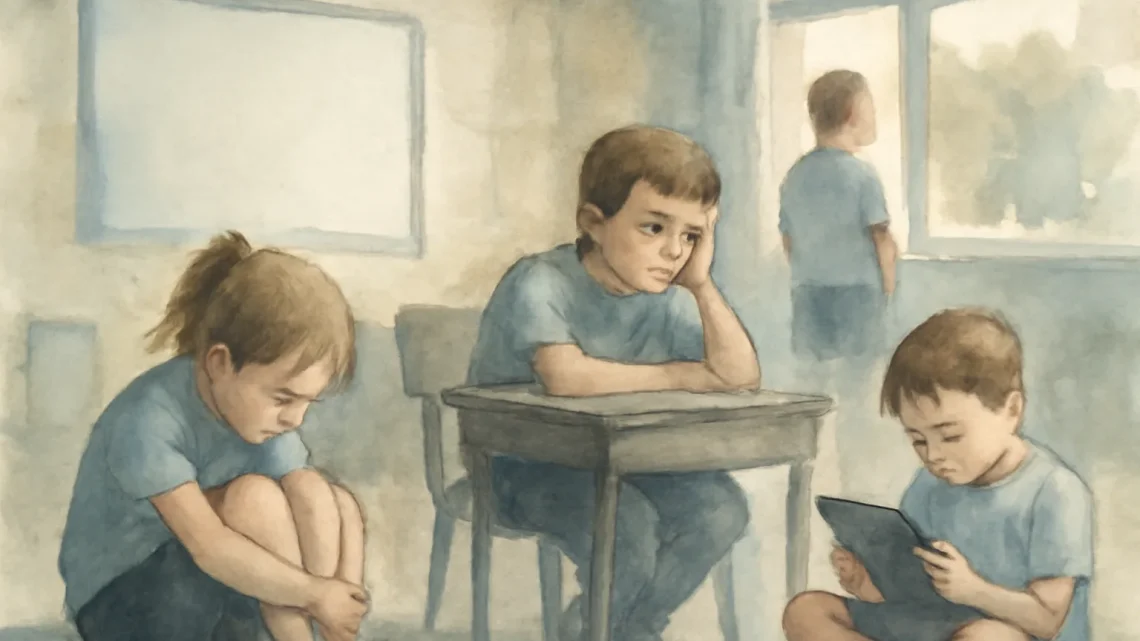
The Centre for Social Justice (CSJ) published a report titled Inactive Nation, which draws heavily on research from the University of Bradford, including its Creating Active Schools programme. The report emphasises that physical activity is increasingly being replaced by screen time, reducing opportunities for movement, play, and sport among children.
The CSJ report argues that physical activity should be an integral part of the education system rather than an optional element. This aligns with Bradford researchers’ findings that whole-school approaches embedding movement throughout the school day, curriculum, and culture are effective and sustainable, especially in disadvantaged communities.
Creating Active Schools programme
Developed and led in Bradford, the Creating Active Schools (CAS) programme offers a structured, evidence-based framework for schools to incorporate physical activity into daily routines. This includes active lessons, playtimes, school travel, and community engagement.
The programme has been implemented in 443 schools and has gained national recognition. Five CAS schools were cited as examples in recent government guidance on enhancing physical education and improving access to sport and physical activity.
Research supporting policy development
- University of Bradford researchers contributed evidence, case studies, and policy insights to the CSJ report.
- The work reflects principles developed through an international conference hosted by the University in 2024, which involved over 150 stakeholders discussing the future of whole-school physical activity.
- Place-based initiatives, such as the Join Us Move Play project, have demonstrated that these approaches can increase children’s activity levels, support long-term culture change, and reduce inequalities when embedded in local systems.
Calls for national action
Dr Anna Chalkley, Senior Research Fellow at the University of Bradford, stated that the report outlines necessary national actions and that Bradford’s research shows practical ways to improve children’s physical activity. She emphasised the need to scale up effective delivery models, particularly in areas with significant health inequalities.
The report’s release coincides with the Department for Education preparing to launch a tender for a new national PE and School Sport Partnerships Network. This initiative, supported by the Departments of Health and Social Care, and Culture, Media and Sport, aims to help schools deliver consistent, high-quality physical activity and sport.
Researchers highlight that the evidence base for improving children’s physical activity exists, but the challenge remains whether policy will respond swiftly enough to address the growing crisis.