Expressions of Joy as Acts of Resistance Among Iranians
March 10, 2026Understanding the significance behind celebrations during times of crisis
Public celebrations by Iranians living abroad during periods of political conflict may appear contradictory at first glance. However, these expressions of joy often embody deeper meanings connected to resistance, survival, and the enduring psychological effects of life under an oppressive regime, according to psychologist Dr Nazanin Shiraj from the University of Bradford.
Context of Iranian celebrations amid conflict
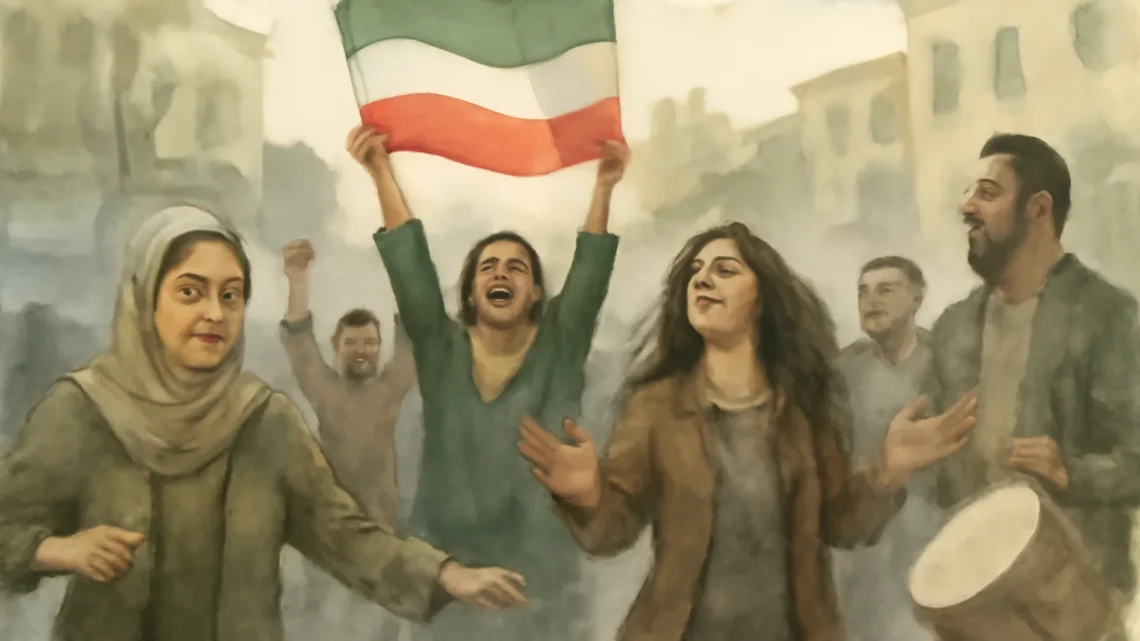
Since the onset of the US-Israel war involving Iran, footage has circulated online showing Iranian diaspora communities in Western countries dancing and celebrating. This behaviour contrasts with the expected public reactions of grief, fear, or anxiety typically associated with populations linked to a country experiencing crisis.
The apparent paradox of celebration during times of political upheaval invites an examination of the historical and psychological context of living under Iran’s theocratic political system. This system closely regulates public behaviour and personal expression, embedding religion deeply within law and public life.
Impact of the Iranian regime on public expression
- The regime promotes mourning and glorifies martyrdom, particularly deaths or suffering in the name of faith and religion.
- State propaganda reinforces these narratives through education, public discourse, and media.
- National holidays often commemorate the deaths of prominent religious figures, reinforcing collective mourning.
- Examples include the extensive televised mourning following the assassination of Major General Qasem Soleimani in 2020 and the story of Hossein Fahmideh, a young boy who sacrificed his life in defence of the regime, taught in schools.
Decades of living under such political pressure can instil a pervasive fear that influences how individuals speak, think, and even celebrate. This fear leads to self-regulation and internalised control, often referred to as “invisible chains of fear,” which can persist even after individuals leave Iran.
Celebrations as political acts of resistance
The Iranian regime imposes strict restrictions on public expressions of joy and celebration. Consequently, acts such as dancing and celebrations have acquired political significance. For example, during the ‘Women, Life, Freedom’ movement in 2022, videos showed Iranian women dancing while burning their headscarves — acts seen as resistance against imposed behavioural norms.
More recently, parents of young protesters who died in demonstrations in December 2025 have been observed dancing and clapping while mourning. These acts combine expressions of grief, solidarity, and defiance.
Therefore, dancing and celebration among Iranians during times of political upheaval can be understood not as celebrations of conflict, but as collective expressions of unity, solidarity, and rebellion against ongoing oppression.
These acts highlight the complex ways in which individuals carry and contest the psychological legacies of living under an authoritarian regime, even from afar.