Potential Outcomes if Iran’s Islamic Regime Collapses
March 4, 2026Exploring the Future of Iran Amidst Current Unrest
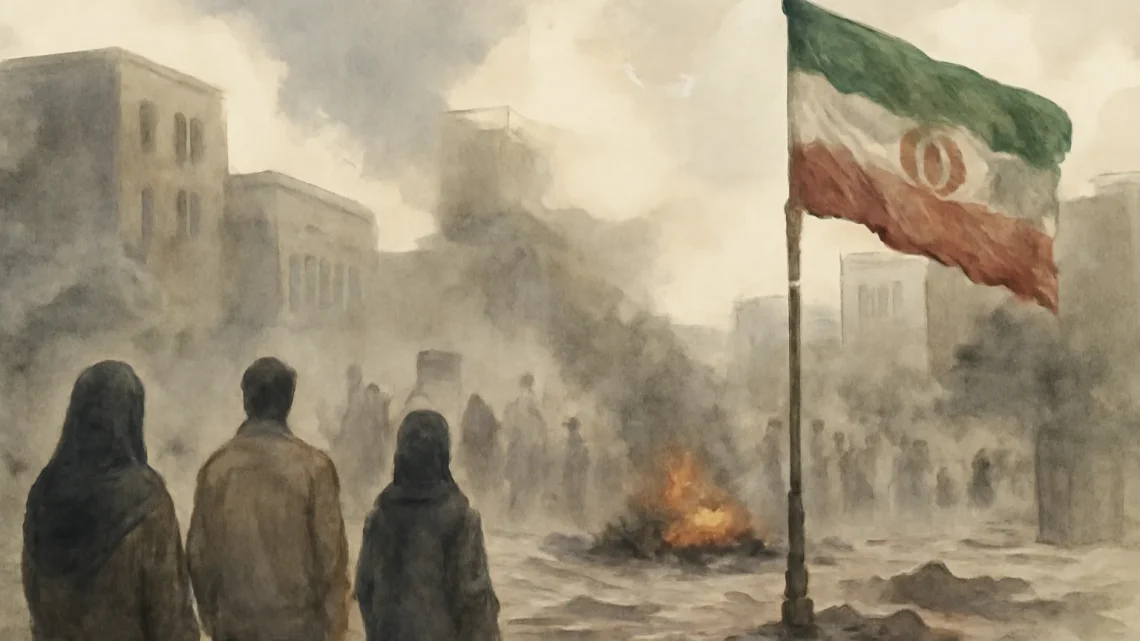
As protests continue across Iran following the December 2025 demonstrations—the deadliest since the 1979 Islamic Revolution—questions arise about what might follow if the current regime falls. Dr Nazanin Shiraj from the University of Bradford’s School of Management has examined the complexities surrounding Iran’s calls for external intervention and the possible implications of such involvement.
Recent Protests and Violence
The protests in late 2025 resulted in significant casualties, with thousands reportedly killed, though exact figures remain uncertain. The violence has left visible marks on the streets of Iranian cities, with videos circulating showing families searching for missing loved ones. The human cost has intensified calls for change and prompted some Iranians to seek international support.
Historical Context of Foreign Influence
Iran has a long history of internal struggles intertwined with external powers:
- In 1905, the Constitutional Revolution aimed to limit monarchical power but unfolded under strong Russian and British influence.
- The 1979 Islamic Revolution overthrew the Shah, Mohammad Reza Pahlavi.
- In 1980, Iraq, backed by Western powers, invaded Iran in an attempt to topple the new Islamic regime, which instead led to internal consolidation.
- The 2009 Green Movement and the 2022 “Woman, Life, Freedom” uprising also sought reform but were met with force.
Throughout these events, international actors have played varying roles—sometimes supportive, sometimes opportunistic—often driven by their own interests.
Challenges of External Intervention
Dr Shiraj highlights concerns about relying on outside assistance to bring about change. Drawing on the philosophy of Friedrich Nietzsche, she warns that seeking salvation from external forces risks replacing one form of domination with another. Nietzsche’s concept of “self-overcoming” emphasises the need for internal moral, cultural, and institutional transformation rather than simply exchanging one ruler for another.
Key points include:
- External pressure can weaken or harden regimes but cannot instil democratic values or shared responsibility.
- Change imposed or heavily influenced from outside often fails to deliver the freedoms people expect.
- True transformation requires those affected to actively shape their future, not rely on external rescue.
The Path Forward
The ongoing protests demonstrate the courage and determination of many Iranians. However, the future remains uncertain. The historical pattern suggests that while foreign involvement may impact leadership, it does not guarantee lasting democratic change.
Dr Shiraj concludes that sustainable freedom must come from within Iran, shaped by its people’s willingness to exercise authority differently. The idea that “no one is coming to save us” reflects the difficult reality facing the country as it navigates this period of unrest and potential transformation.