Play Supports Recovery of Young Patient at Bradford Hospital
July 21, 2026A two-year-old girl’s experience highlights the role of play in hospital care
In February 2026, two-year-old Bonnie was diagnosed with Guillain-Barré syndrome, a rare neurological condition that left her unable to move, sit up, or walk independently, and caused her significant pain. The sudden change in her health was distressing for her and her family, who witnessed her transition from an active toddler to someone requiring intensive care and support.
Role of play in recovery
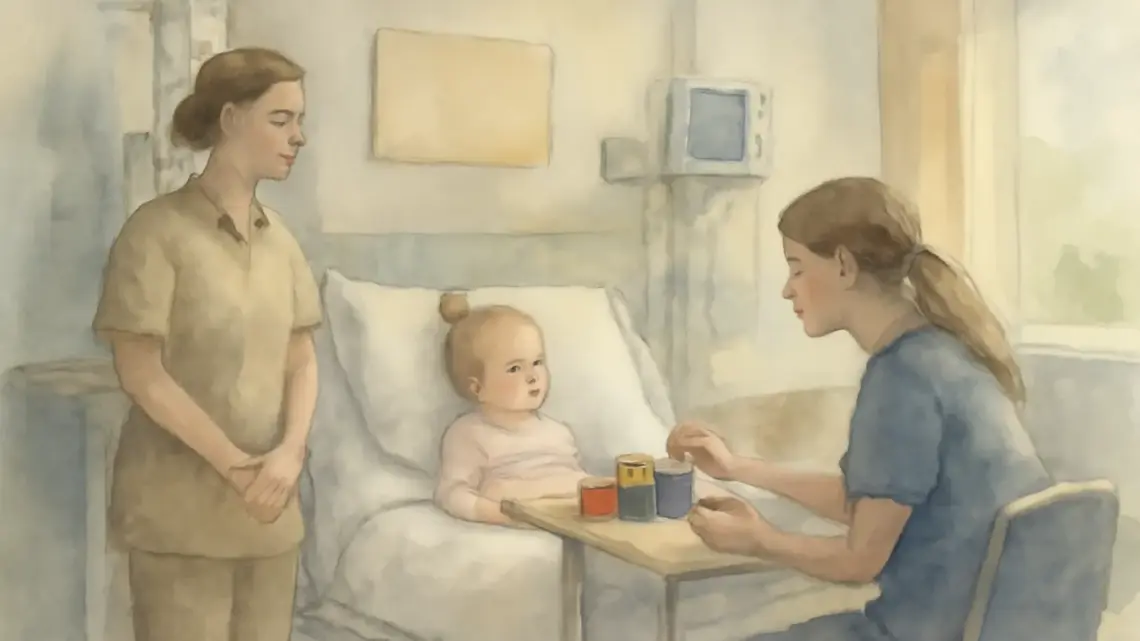
While Bonnie received medical treatment at Bradford Teaching Hospitals to address her physical condition, play was identified as an important element in her recovery process. Play specialists provided activities such as crafts, games, and sensory experiences to help Bonnie engage with her surroundings. These activities aimed to support her emotional wellbeing and encourage her to regain confidence during her hospital stay.
According to her parents, moments of play offered comfort and distraction during a challenging period, helping to maintain a sense of normal childhood despite the circumstances.
Play facilities at Bradford Teaching Hospitals
Children receiving care at Bradford Teaching Hospitals have access to toys, creative resources, and play activities, supported by funding from local charitable contributions. These provisions are designed to make the hospital environment less intimidating and more child-friendly.
- Therapeutic play has been shown to reduce anxiety and distress in young patients.
- Play supports emotional wellbeing and can ease the experience of medical procedures.
- It helps children cope with hospitalisation and supports their overall recovery.
Impact on families
Play not only benefits the children but also provides reassurance and comfort to their parents and carers during difficult times. For families like Bonnie’s, it helps to create positive moments amidst the challenges of illness and treatment.
Ongoing support
Funding and donations continue to play a role in maintaining and expanding play services within the hospital. These efforts aim to ensure that children undergoing treatment can still experience aspects of childhood, such as creativity and enjoyment, even while in hospital.